Objects of the Order
The Objects of the Order are charitable and educational and shall specifically serve to encourage the study of the history; to encourage the study of Ancient Wales and Welsh Immigration to America; to verify the genealogy of descendants of monarchs who ruled in Wales including the ancient kingdoms of Deheubarth, Gwent, Glamorgan, Gwynedd, Powys, and Welsh Immigrants to America prior to July 4th, 1776; to accomplish research; preserve manuscripts, wills, deeds, and other documents; to support the restoration of sites and landmarks having charitable, literary, educational, historical, or governing backgrounds; and to promote patriotism.
Legacy of the Princes of Wales
The Hereditary Order of the Red Dragon honors the legacy of the final native Princes of Wales, whose leadership, lineage, and resistance shaped Welsh history. Central to this heritage are Llywelyn the Great and Llywelyn the Last—figures whose reigns define the political and cultural identity of medieval Wales.
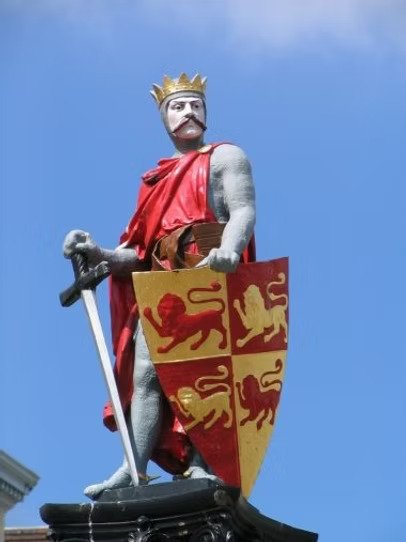
Llywelyn Fawr ap Iorwerth
Llywelyn the Great, Prince of Wales (c. 1173-1240)
Llywelyn Fawr ap Iorwerth, revered as Llywelyn the Great, united much of Wales under a single principality and established diplomatic recognition of Welsh sovereignty. His reign marked a period of political strength, legal reform, and cultural stability, laying the foundation for the princely houses whose descendants the Order seeks to honor and document.
Llywelyn ap Gruffydd
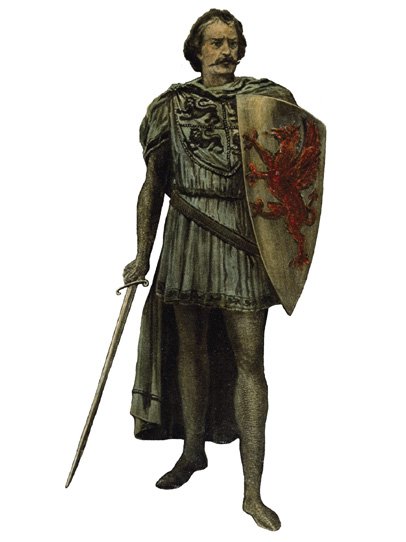
Llywelyn the Last (c. 1223-1282)
Llywelyn ap Gruffydd, known as Llywelyn the Last, was the final native Prince of Wales and the last sovereign ruler to resist English conquest. His death in 1282 marked the end of independent Welsh rule and a defining moment in the history of Wales. His legacy remains central to the study of Welsh sovereignty, lineage, and national identity.